Search for specific blog posts by key words, authors, or FPHR capabilities:
Capability or Author
- Accountability & Performance Management
- Anne Graves
- Assessment & Surveillance
- Communications
- Community Partnership Development
- Emergency Preparedness & Response
- Equity
- Erika Guenther
- Jenna Olson
- Mary Parsatoon
- Michelle Stronach
- Organizational Competencies
- Policy Development & Support
- Spoorthy Uddurhally
- Stephany Medina
- Susan Michels

See the Change Curve, Support the Person
Change happens constantly in local public health, and our reactions to it are deeply human. During NACCHO’s Adaptive Leadership eLearning Series, we explored a model that helps make sense of these reactions amidst ongoing systems-change work: the Change Curve.
Lessons from the Field: Evaluating with Accountability in Mind
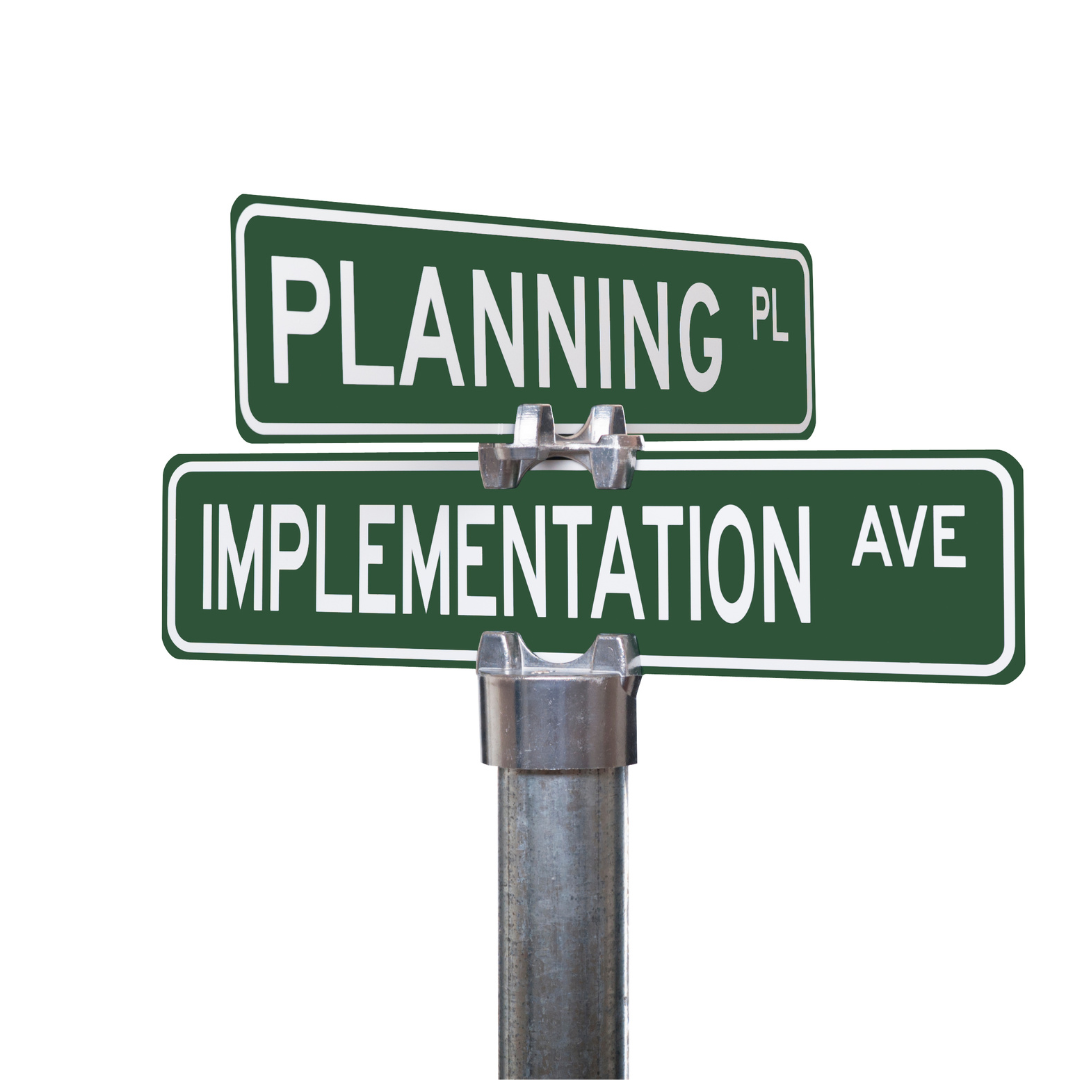
Whether you’re launching a new initiative or trying to improve an existing one, EPIS (Exploration, Preparation, Implementation, and Sustainment) offers a simple roadmap to strengthen your work and implement evidence-based practices (EBPs).
You don’t need to be an expert to use it. It’s just a way to pause and ask the right questions—like what’s needed, what’s working, and how to keep it going. Find out how EPIS was used to guide a team of partners in rural Aitkin County as they set out to implement a produce prescription program called FoodRx.

Why Bus Lines Aren’t Run by Health Departments
As public health practitioners, we understand that many drivers of health are beyond the traditional scope of our departments. I recently heard someone say, “I can’t create a bus system run by the health department!” It was a lighthearted comment – but it captured a serious truth: the challenges we face are too complex for any one agency to solve alone. By centering communities most impacted by health inequities, we can design interventions that are effective, equitable, and publicly supported.
And— good news! —we have tools to help us think about how we build partnerships with community.