Search for specific blog posts by key words, authors, or FPHR capabilities:
Capability or Author
- Accountability & Performance Management
- Anne Graves
- Assessment & Surveillance
- Communications
- Community Partnership Development
- Emergency Preparedness & Response
- Equity
- Erika Guenther
- Grace Elmudesi
- Jenna Olson
- Jodi Walborn
- Lareesa Sandretsky
- Mary Parsatoon
- Michelle Stronach
- Organizational Competencies
- Policy Development & Support
- Spoorthy Uddurhally
- Stephany Medina
- Susan Michels
- Taylour Blakeman
- Tracy Onchwari

Innovation Starts with a Willingness to Try
When we hear the word innovation, it is easy to picture new technology, sophisticated data systems, or a completely new way of delivering services. Those things can certainly be innovative, but innovation often begins somewhere much simpler: with a willingness to try something new.
Across Northern Minnesota, our local public health departments have demonstrated that willingness again and again. We ask whether our current processes are still working. We test new approaches, share what we are learning, and adjust when something does not work as expected.
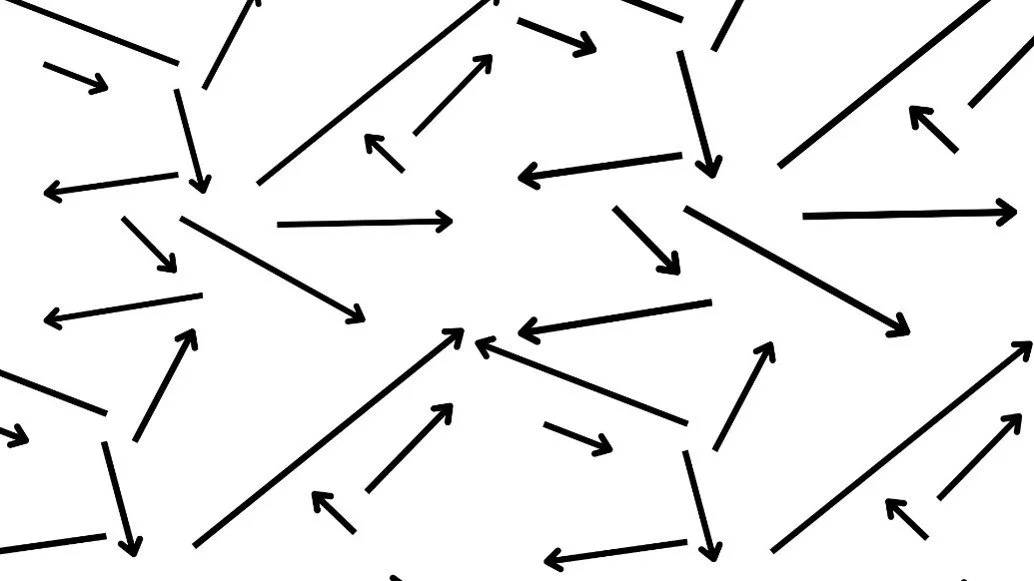
Aligning the Arrows: Why you need a strategic communication plan
Public health communication is too important to happen incidentally. It deserves the same thoughtful planning we bring to assessment, partnerships, program planning, and data collection. And all it takes to get started is a small group of people committed to asking good questions, making thoughtful decisions, and stewarding the work over time.
A good communications plan is a living decision-making tool that helps organizations communicate with greater intention, build stronger systems and relationships, and make better decisions together.

We Need to Talk About Meetings
Strengthening our public health infrastructure doesn’t always require a huge initiative, a new framework, or a 47-tab spreadsheet. Sometimes it starts with making the everyday things we already do just a little bit better.

What Does It Take to Collaborate?
Public health is collaborative work. Whether we’re coordinating grant initiatives, collaborating on communications campaigns, responding to public health emergencies, using data to inform decision-making, or addressing complex community health challenges, many of our biggest responsibilities extend beyond any single program, department, or county. But collaboration requires more than willing partners; it requires infrastructure.

Building Better Data: Shared Definitions Strengthen Our Collective Story
As local public health agencies across Minnesota transition to FPHR annual reporting, many of us are actively learning and adapting to a new way of entering our time – while continuing to serve our communities every day. That is no small task, and your willingness to lean into this work is what makes strong data possible.
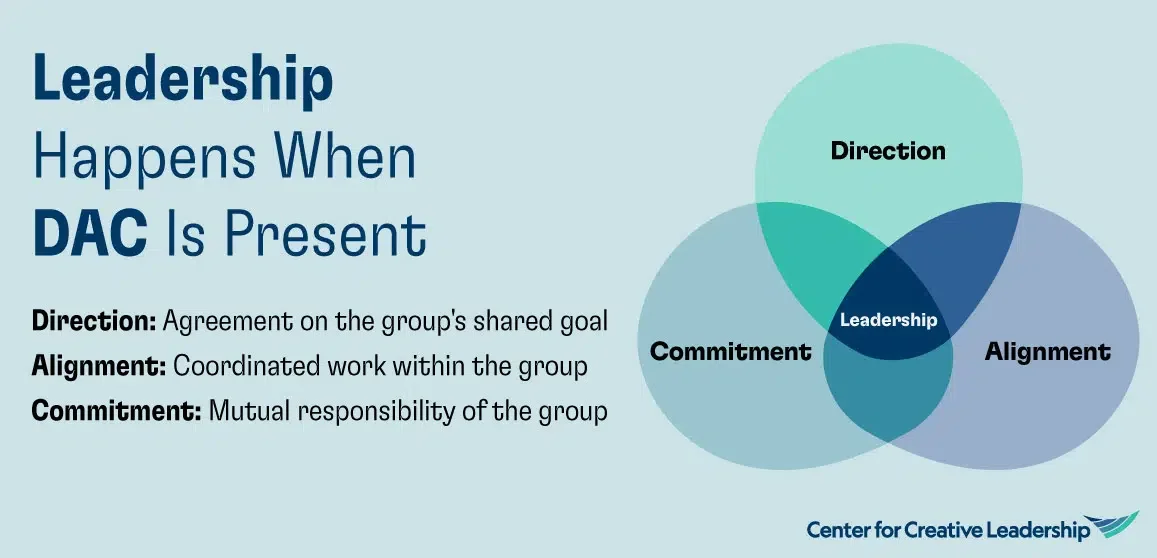
When it Feels Like You’re Herding Cats: A Framework for Managing Change
I was recently in Arlington, Virginia (just outside of DC) for a training with the Association of State and Territorial Health Officials (ASTHO) on leading change. It felt fitting that the cherry blossoms were in full bloom, reminding me that change is a natural process and we need to pause at times to appreciate the beauty of it. But how do we make sure our work and teams can blossom through change, rather than struggling or avoiding it?
One of the great resources I got from ASTHO was an assessment on Direction, Alignment, and Commitment (DAC).

See the Change Curve, Support the Person
Change happens constantly in local public health, and our reactions to it are deeply human. During NACCHO’s Adaptive Leadership eLearning Series, we explored a model that helps make sense of these reactions amidst ongoing systems-change work: the Change Curve.

What goes around comes around: Planning for the next CHA/CHIP report cycle
Have you recently submitted your Community Health Assessment and Community Health Improvement Plan (CHA/CHIP)? Congratulations! That calls for a celebration! And it’s a great time to start thinking about what steps you’ll take for the next one. You may be surprised how fast five years can go by in the world of public health. Here are a few tips to make sure you are staying on track to avoid rushing at the end.

Grandma’s Blue House: A change management case study
Growing up, I was the kid that hated change. My grandma had a very blue living room--walls, couch, shag carpet, even the picture frames were all blue. One year she decided to yank it all out and upgrade to a more nuanced look. Six-year-old Steph was not having this sudden and unexpected change. As an adult, I’m better with change, but there are some key aspects to change management that make it easier for me. Let’s see what the research has to say.