The minimum wild chill may be -42 degrees over the next few days, but winter isn’t the only season upon us. Reporting season! A time of gathering numbers and putting together year-end reports. Reporting can be fulfilling when we get the right messages to the right people, so let’s dive in.
Jenna has covered how to lead with values and frame our messages in ways where data doesn’t overwhelm (New Year, Clear Impact: Frame Your Work with Stories and Data). But sometimes, our audiences are going to expect data reports. We can get them the right level of information using the 1-3-25 method, also called the bite-snack-meal method.
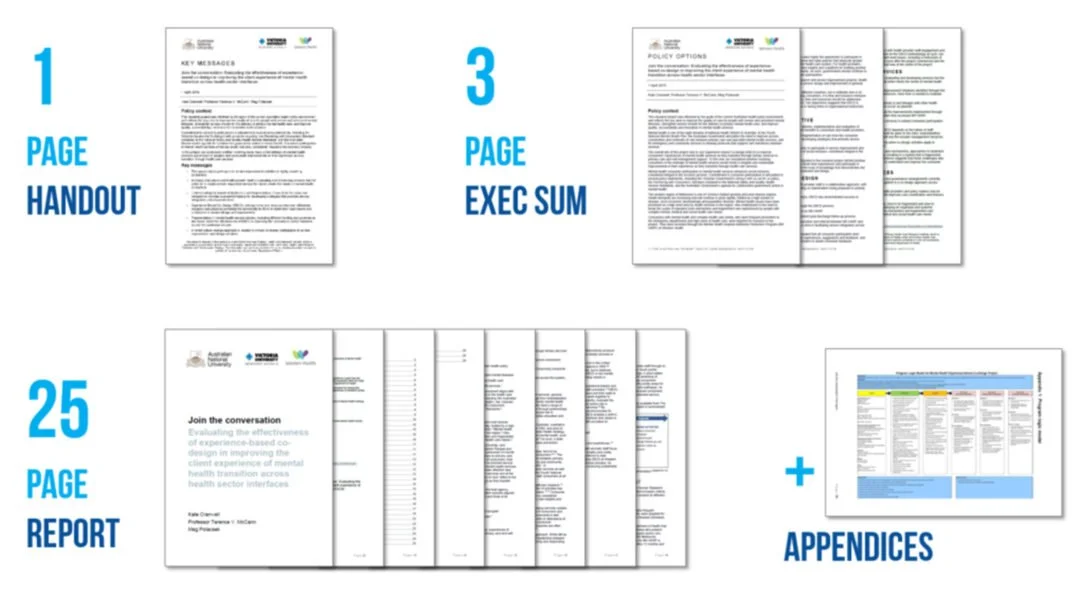
Image & content source: Stephanie Evergreen
The 1-Page Handout (Bite)
This should take about 30 seconds to digest. It goes further when you have one main message or finding to communicate, and you include a call for action or way for people to get more information.
Bites should be written in plain language for a general audience, like community members on your advisory council.
The 3-Page Executive Summary (Snack)
This should take less than 5 minutes to digest. Graphs and charts may include more information here. The data points are of interest to your intended audience, but titles and the narrative are still written in plain language.
Snacks may have multiple messages and should include the “bottom line” or a call to action. This is good for an audience who wants more information, but has limited time, like board members.
The 25-Page Report (Meal)
This one will take more than 5 minutes for readers to digest. You will include the full picture of your data, include research articles and sources, and may have more complex or technical content. Supporting narrative and details on methods are included in this approach. Include appendices here to your logic models, data tables, and more.
Meals are often what we submit to MDH to show we’ve met all requirements. They are also great for anyone who may want to replicate your methods, such as a new staff member getting to know your program outcomes from last year.
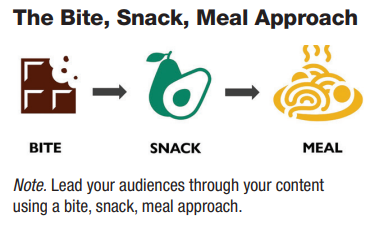
Image source: Jena A. Losch, MPH
Whatever method you use, connect it to values and don’t bury the lead! Make sure the takeaways are clear (and not hidden on page 24!).