Communications in public health can feel reactive. A flyer is needed. A newsletter article is due. A new initiative launches. A wildfire breaks out, and we need to talk about air quality now. Before long, our communication efforts can become a collection of individual activities instead of a coordinated strategy.
Part of the challenge is that public health is so broad. Every health department works across dozens of programs with different audiences and different goals. Even when we've identified a handful of community health priorities, we can’t stop communicating about everything else from maternal health to emergency preparedness.
That’s unique. For many organizations, communications work has a much narrower focus. A few years ago, I participated in a mentorship cohort for nonprofit communication leaders. As other participants introduced themselves, they described organizations focused on single issues—housing for the unhoused, literacy, brain injury prevention, recovery from substance use. I remember thinking, “Public health does every one of these things...and so much more.”
With so many important areas of work—and often limited communications capacity—it’s easy for communication efforts to feel fragmented or even messy.
That's where strategic communications planning comes in.
Because if public health is all the things that impact health in a community, then communicating about it often feels like this:
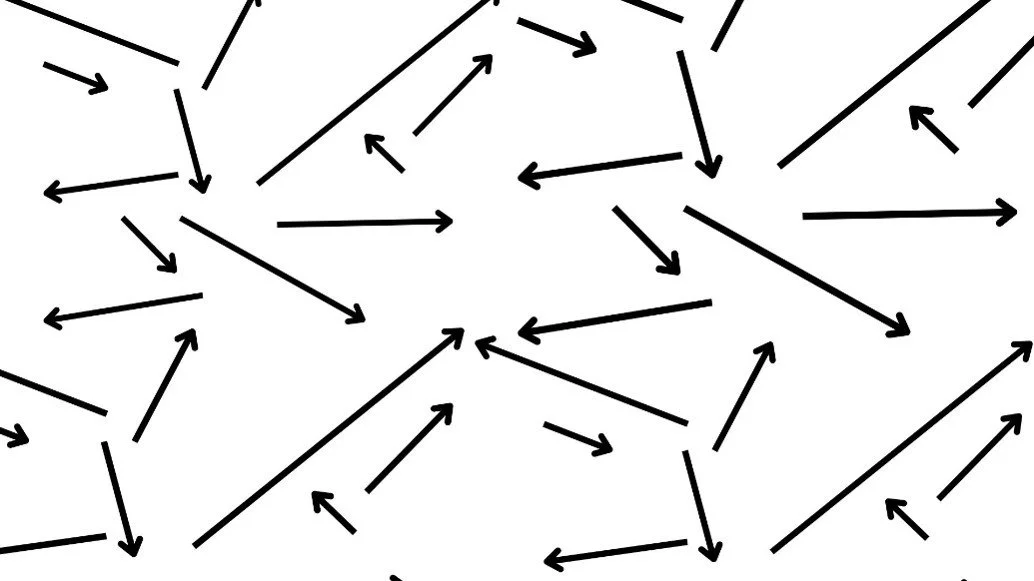
There are a hundred things we could talk about. They don't all neatly fit together. And audiences have limited attention spans.
Strategic communications planning asks, “How will we move in coordination, towards a shared goal?” In other words, how do we get to this?
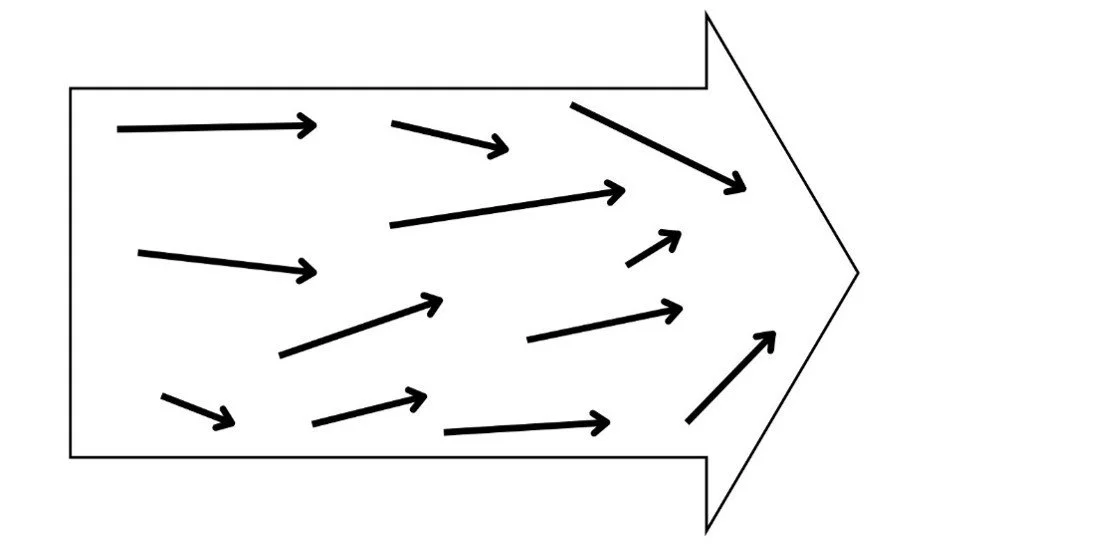
So where do we start?
Recently, I had the opportunity to facilitate a strategic communications planning process with Carlton County Public Health. We formed a Communications Planning Team, and started with a focused conversation in response to big-picture questions like these:
What goals do we want to accomplish through communication?
What audiences do we need to engage with to reach our goals?
What do we want those audiences to learn, know, do, or feel?
What does great communication look like in our organization?
Notice that at this point, we didn’t ask about social media. We didn’t jump into website content. We didn’t talk about branding or logos. That's intentional.
A strong strategic communications plan isn't built around communication products or activities. It's built around organizational goals.
After you’ve mapped out where you want to go, choosing the strategies and tactics to get there becomes much easier.
If you’re looking for inspiration, the Nonprofit Marketing Guide’s Twelve Common Goals for Nonprofit Communications Teams is a great place to start. Many of the goals listed (building trust, educating the community, strengthening partnerships, improving internal communication) translate well to public health.
But, importantly, being strategic means making choices about what to say yes to, and what to say no to. So don’t take on too many goals. I recommend narrowing down to your top 3-4.
For Carlton County, our Planning Team identified four goals. Two focus on creating and strengthening internal communications systems, and two keep us grounded in why we communicate, who we serve, and the kind of relationships we want to build.
Over the following months, we met regularly to define roles and responsibilities, develop a style guide, document procedures, outline a decision tree for approving communications, and create an Action Plan with SMARTIE objectives that provided concrete steps to take.
Public health communication is too important to happen incidentally.
It deserves the same thoughtful planning we bring to assessment, partnerships, program planning, and data collection. And all it takes to get started is a small group of people committed to asking good questions, making thoughtful decisions, and stewarding the work over time.
A good communications plan isn’t just a document. It’s a living decision-making tool that helps organizations communicate with greater intention, build stronger systems and relationships, and make better decisions together.
That’s why I’m sharing Carlton County Public Health’s Strategic Communication Plan with a note that it’ll never really be ‘finished.’ The Communications Planning Team continues to meet quarterly to check in on progress, update the plan, ensure communications activities align with goals, and assess whether we’re ready to take on more. We use this Communication Action Plan Tracker to help us record progress and stay on track.
This consistent effort has made messaging more strategic. It helps staff work uniformly and prioritize communication efforts that support what we set out to do in the plan. And—bonus—it’s also being used as a model for a county-wide Public Information Officer [PIO] team working to align communications efforts across departments.